20 Style Tips Every Man Wishes He Knew Sooner
Most style advice men receive growing up is vague — “dress nice,” “look presentable” — without ever explaining the actual mechanics of why one outfit works and another doesn’t. That gap is why so many men spend years dressing by trial and error instead of by understanding.
The style tips every man wishes he knew sooner are almost always about fit, proportion, and consistency rather than expensive clothing or trend-following. By the end of this guide, you’ll have 20 specific, practical lessons that would have saved most men years of guesswork if someone had just told them earlier.
1. Your Size Isn’t a Fixed Number
Clothing sizes vary so much between brands that treating your size as a fixed number wastes time and leads to poor fits. What matters is how a specific garment sits on your specific body, not what the tag says. Trying on multiple sizes within the same style, rather than grabbing your “usual” size, consistently produces a better result.
2. A Tailor Is Cheaper Than You Think
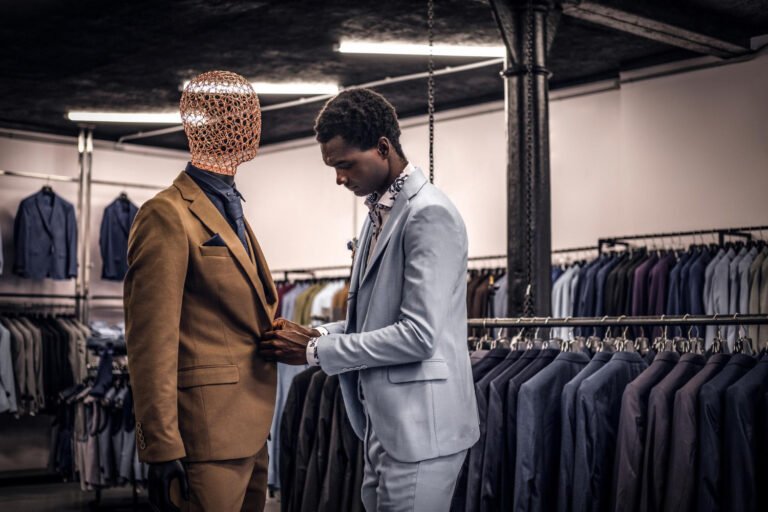
Many men avoid tailoring because they assume it’s expensive or reserved for formalwear, when basic alterations like hemming and taking in a waist are often surprisingly affordable. Tailoring is what turns an average, off-the-rack garment into something that looks custom-made. Skipping it because of assumed cost is one of the most common and easily fixed style mistakes.
3. White Sneakers Go With Almost Everything
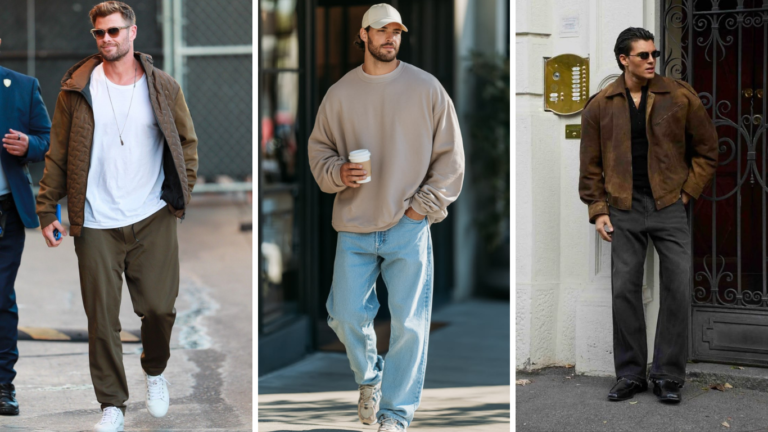
A single pair of clean, minimal white sneakers pairs with jeans, chinos, shorts, and even some casual suiting, making it one of the highest-value items in a modern wardrobe. Their neutrality means they don’t compete with anything else in an outfit, unlike heavily branded or brightly colored sneakers. Keeping them clean is part of what makes them work — scuffed white sneakers undercut the entire benefit.
4. Ironing Matters More Than People Think
A wrinkled shirt undoes the effort of an otherwise well put-together outfit almost instantly, because wrinkles read as careless regardless of how good the fit or color choices are. This is one of the fastest, cheapest style upgrades available, since it requires no new purchases at all. A five-minute habit before leaving the house has an outsized impact on how put-together you look.
5. Layering Adds More Value Than New Pieces
Learning to layer existing pieces — a t-shirt under an overshirt, a sweater under a jacket — multiplies the number of usable outfits without requiring new purchases. This skill is often overlooked because most men think of their wardrobe as individual pieces rather than a system of combinations. Mastering layering effectively doubles the versatility of a wardrobe that would otherwise feel limited.
6. Fit Changes With Your Body
Weight fluctuation, posture changes, and aging all affect how clothes fit over time, which means a garment that fit perfectly a few years ago may no longer fit correctly today. Many men keep wearing clothes that technically still “fit” in the sense of buttoning closed, without noticing they no longer sit correctly. Periodically reassessing fit, rather than assuming it’s permanent, keeps a wardrobe looking current.
7. Neutral Colors Aren’t Boring, They’re Strategic
Neutral colors like navy, grey, and white get dismissed as “safe” or unexciting, but they’re actually strategic because they combine easily and rarely clash. A wardrobe built primarily on neutrals with the occasional accent color is far easier to mix and match than one built on bold colors that only pair with one or two other pieces. Neutral doesn’t mean unremarkable — it means efficient.
8. Your Shoes Say More Than You Think
Shoes are one of the first details people notice, often before they consciously register the rest of an outfit, because footwear condition signals overall care and attention. Worn-out heels, scuffed toes, or dirty soles undercut an outfit regardless of how good everything above the ankle looks. Maintaining shoes is one of the highest-leverage habits in menswear precisely because so few men bother with it.
9. A Good Watch Outlasts Trends
Trend-driven accessories cycle in and out of style quickly, but a simple, well-made watch with clean proportions remains stylish for decades. This makes a quality watch one of the few accessories worth genuinely investing in, since it won’t need replacing as trends shift. It’s also one of the few accessories visible in nearly every interaction, which makes its quality disproportionately noticeable.
10. Cologne Is About Restraint, Not Quantity
The instinct to apply more cologne to make a stronger impression usually backfires, since an overpowering scent reads as inconsiderate rather than intentional. A light application that’s noticeable only at close range signals more confidence and awareness than a heavy cloud that fills a room. Restraint, not strength, is what separates a well-chosen fragrance from a poorly applied one.
11. Dressing for Your Job Isn’t the Same as Dressing for Your Industry
Many men dress for the general expectations of their industry rather than their specific role or company culture, which can result in being over- or under-dressed relative to actual colleagues. Observing what people one or two levels above you actually wear is a more reliable guide than assumptions about an entire industry. This distinction avoids both looking out of place and missing opportunities to stand out appropriately.
12. A Capsule Wardrobe Beats a Full Closet
A smaller wardrobe of well-fitted, coordinated pieces produces more usable outfit combinations than a large, disorganized closet full of one-off items. This is a math problem as much as a style one: pieces that all coordinate multiply into many outfits, while mismatched pieces multiply into far fewer. Reducing a wardrobe often improves how put-together someone looks, rather than limiting it.
13. Undertone Matters More Than Trend Colors
Wearing a trending color that clashes with your skin’s undertone will always look less flattering than wearing a less trendy color that suits you. This is why the same shade can look completely different — vibrant on one man, washed out on another — independent of how popular that color currently is. Learning your own undertone once prevents repeated poor color choices for years.
14. Texture Is an Underused Tool
Relying only on color to create visual interest limits an outfit, especially within a neutral palette. Mixing textures — a knit tie with a smooth shirt, a textured jacket over a plain t-shirt — adds depth without needing more color variety. This is a technique used throughout classic tailoring traditions precisely because it works in monochrome-heavy wardrobes.
15. Confidence Changes How Clothes Read
The same outfit worn with hesitation versus worn with confidence is perceived differently by other people, because posture and body language are part of how an outfit is read, not separate from it. Constant adjusting or visible self-consciousness undercuts even a technically well-fitted outfit. Committing to a choice, rather than second-guessing it, is part of making that choice actually work.
16. Overdressed Beats Underdressed
When uncertain about a dress code, leaning slightly formal is safer than leaning casual, because being overdressed reads as intentional while being underdressed can read as careless even when it isn’t. This simple heuristic removes the guesswork from ambiguous invitations or unfamiliar events. It rarely results in being noticeably out of place, while underdressing more often does.
Read also: How to Build a Signature Style as a Man
17. Grooming Is Part of the Outfit
Clothing doesn’t exist independently of grooming — an otherwise sharp outfit is undercut by neglected nails, an overgrown beard, or inconsistent skincare. Grooming habits tend to be set once and rarely revisited, meaning many men are unknowingly out of step with how their grooming choices read today. Treating grooming as part of an overall style, not a separate category, closes this gap.
18. Synthetic Materials Age Faster Than Natural Ones
Synthetic fabrics and leathers tend to show wear faster — cracking, pilling, or losing shape — compared to natural materials like wool, cotton, and genuine leather. This means synthetic pieces need replacing more often, which can end up costing more over time despite a lower upfront price. Prioritizing natural materials where the budget allows extends the usable life of a wardrobe.
19. Personal Style Should Evolve, Not Freeze
Continuing to dress based on what worked ten or twenty years ago, without reassessing it, is one of the most common ways men unintentionally look dated. Style shifts gradually enough that it’s easy to miss unless you actively revisit your choices from time to time. Treating personal style as something to periodically refine, rather than something decided once and left alone, keeps a wardrobe looking current for life.
20. The Best Style Advice Is Specific to You
Generic style advice — “dress for your body type,” “wear what makes you comfortable” — sounds true but rarely changes behavior because it isn’t specific enough to act on. The most useful style lessons are concrete and personal: your actual proportions, your actual undertone, your actual lifestyle. Seeking out specific, actionable guidance rather than broad platitudes is what turns advice into an actual improvement.
Quick Summary
| # | Tip | Core Idea |
|---|---|---|
| 1 | Size isn’t fixed | Fit varies by brand, not by number |
| 2 | Tailoring is affordable | Basic alterations cost less than assumed |
| 3 | White sneakers are versatile | Neutral color pairs with nearly everything |
| 4 | Ironing matters | Wrinkles undercut an otherwise good outfit |
| 5 | Layering multiplies outfits | More combinations without new purchases |
| 6 | Fit changes over time | Reassess periodically, don’t assume permanence |
| 7 | Neutrals are strategic | Easier to mix and match than bold colors |
| 8 | Shoes signal care | Condition is noticed before the rest of the outfit |
| 9 | A good watch lasts | Classic design outlasts trend cycles |
| 10 | Cologne needs restraint | Light application beats heavy application |
| 11 | Dress for your role | Company culture beats industry assumptions |
| 12 | Capsule wardrobes work better | Coordinated pieces multiply into more outfits |
| 13 | Undertone beats trend color | Flattering matters more than popularity |
| 14 | Texture adds depth | Works especially well in neutral palettes |
| 15 | Confidence affects perception | Body language is part of how fit reads |
| 16 | Overdressed beats underdressed | Safer default for ambiguous dress codes |
| 17 | Grooming is part of style | Neglect undercuts even a sharp outfit |
| 18 | Natural materials last longer | Synthetic pieces wear out faster |
| 19 | Style should evolve | Frozen habits eventually look dated |
| 20 | Specific advice beats generic advice | Actionable lessons change behavior |
FAQs
What’s the single most important style tip for men?
Quick answer: fit matters more than anything else you wear. A well-fitted, inexpensive outfit will consistently look better than an expensive one that doesn’t fit correctly, which is why nearly every other tip on this list ties back to proportion and fit in some way.
Do I need to spend more money to improve my style?
Not necessarily — many of the highest-impact changes, like ironing, tailoring, and shoe care, cost little or nothing but make a noticeable difference. Style improvement is more often about consistency and attention to detail than about budget.
How do I know if my style has become outdated?
If you haven’t reassessed your fit, proportions, or color choices in a few years, there’s a good chance parts of your style have quietly drifted out of step with current expectations. Revisiting your wardrobe periodically, rather than assuming it’s fixed, is the most reliable way to catch this early.
Is it better to follow trends or stick to classic style?
A mix of both tends to work best — classic, well-fitted basics as a foundation, with select trend pieces added intentionally rather than replacing the entire wardrobe each season. Relying purely on trends dates quickly, while ignoring them entirely can make a wardrobe feel static.
Read also: