25 Fashion Do’s and Don’ts for Modern Men
Fashion advice for men tends to swing between two extremes — rigid rules from decades past or vague encouragement to “just wear what makes you happy” — and neither actually helps someone get dressed with confidence.
What men actually need is a clear, current set of do’s and don’ts that reflect how style works today, not how it worked a generation ago. The most important fashion do for modern men is prioritizing fit above all else, and the most important don’t is relying on trends instead of proportion, since fit determines whether an outfit looks intentional far more than any single item does.
By the end of this guide, you’ll have 25 specific, current do’s and don’ts covering everything from fit to grooming to shopping habits.
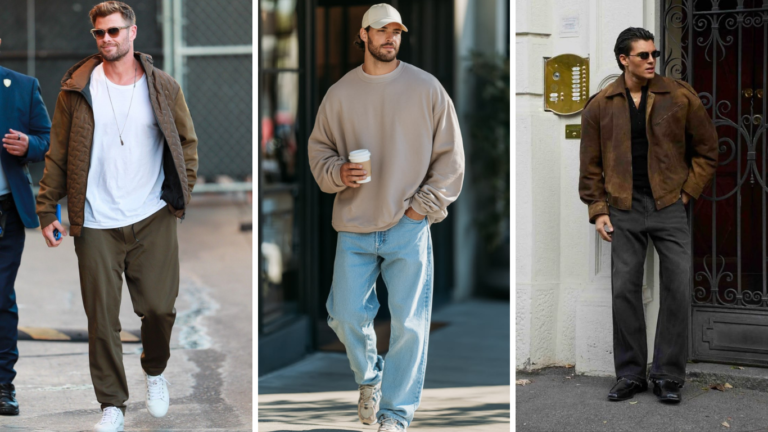
Quick Summary
| # | Do or Don’t | Core Idea |
|---|---|---|
| 1 | Do prioritize fit over brand | Fit reads before brand recognition does |
| 2 | Don’t buy by size label alone | Sizing varies too much between brands |
| 3 | Do get basic alterations | Tailoring closes the generic-fit gap |
| 4 | Don’t assume oversized is always trendy | Needs adaptation to your own proportions |
| 5 | Do build a neutral foundation | Neutrals mix and match most efficiently |
| 6 | Don’t ignore your undertone | Determines which colors flatter you |
| 7 | Do invest in quality leather shoes | They improve with age and care |
| 8 | Don’t neglect shoe maintenance | Wear undercuts an outfit fast |
| 9 | Do iron or steam clothes | Wrinkles read as careless regardless of quality |
| 10 | Don’t over-match every element | Coordination beats identical matching |
| 11 | Do layer for versatility | Multiplies outfits without new purchases |
| 12 | Don’t wear novelty or loud branding | Distracts from fit and coordination |
| 13 | Do choose one statement piece | Avoids visual competition in an outfit |
| 14 | Don’t over- or underdress for occasions | Match effort to actual context |
| 15 | Do prioritize natural fabrics | Better look, feel, and longevity |
| 16 | Don’t rely on a large disorganized closet | Coordination beats quantity |
| 17 | Do maintain grooming alongside style | Grooming is part of the overall look |
| 18 | Don’t overapply cologne | Restraint reads better than strength |
| 19 | Do build around a few reference points | Gives style a throughline and filter |
| 20 | Don’t assume trends fit everyone equally | Adapt trends to your own proportions |
| 21 | Do reassess your wardrobe seasonally | Catches gradual shifts before they add up |
| 22 | Don’t ignore fit changes in your body | Fit isn’t permanent over time |
| 23 | Do spend strategically by category | Not every item deserves equal budget |
| 24 | Don’t repeat outfits purely from habit | Small variation keeps style from feeling stale |
| 25 | Do let confidence do part of the work | Body language changes how fit reads |
1. Do Prioritize Fit Over Brand
Fit determines how put-together an outfit looks more than brand name ever will, since an ill-fitting designer piece will always look worse than a well-fitted affordable one. Brand recognition doesn’t compensate for poor proportion, and most people can’t identify brands on sight anyway — they register fit instantly. Treating fit as the non-negotiable factor, and brand as irrelevant, produces consistently better results.
2. Don’t Buy Based on Size Label Alone
Sizing varies significantly between brands, so relying on your “usual size” instead of trying on the actual garment leads to inconsistent fits across your wardrobe. The size label is a starting point for narrowing choices, not a guarantee of fit. Trying on multiple sizes within a brand or style is the only reliable way to know what actually works.
3. Do Get Basic Alterations
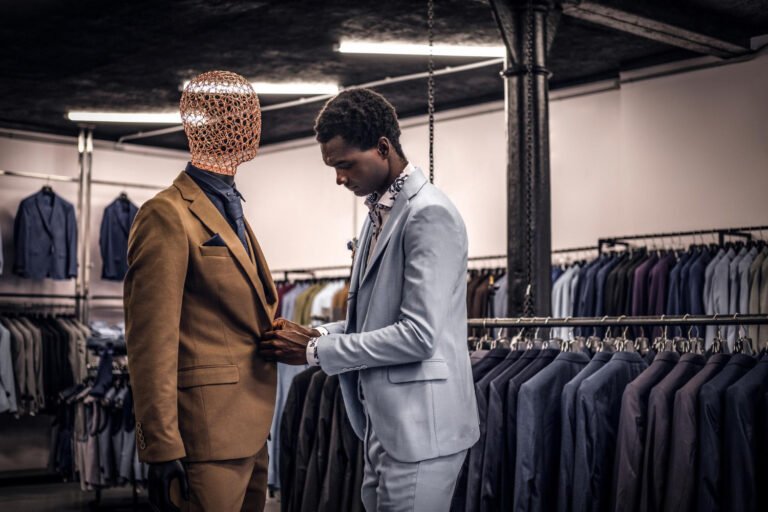
Hemming pants, shortening sleeves, and taking in a waist are inexpensive changes that dramatically improve how off-the-rack clothing looks on your specific body. Most clothing is cut to a generic average, which means some alteration is almost always necessary to look genuinely well-fitted. Treating tailoring as a normal part of buying clothes, not an occasional luxury, closes this gap.
4. Don’t Assume Oversized Is Always Trendy
Oversized fits have cycled in and out of style, and wearing them without attention to your own proportions can look sloppy rather than intentional. A trend borrowed without adaptation to your body often ages faster and looks less considered than a properly fitted alternative. Oversized pieces work best when balanced deliberately against fitted pieces elsewhere in the outfit.
5. Do Build a Neutral Color Foundation
A wardrobe built primarily on neutral colors like navy, grey, white, and black mixes and matches far more efficiently than one built on a wide, uncoordinated color range. This foundation makes every future purchase easier to evaluate, since you’re checking compatibility against a known system rather than starting from scratch each time. Neutrals also age better in photographs and in person than trend-driven colors.
6. Don’t Ignore Your Skin Undertone
Wearing colors that clash with your undertone makes even well-fitted clothing look slightly off, regardless of how popular that color currently is. Undertone determines which colors genuinely flatter you, independent of trend cycles or personal preference. Learning your undertone once prevents years of repeated, avoidable color mistakes.
7. Do Invest in Quality Leather Shoes
Leather shoes improve with age and proper care, developing patina rather than degrading the way synthetic materials do, which makes them a genuinely long-term investment. Shoes are also one of the first details people notice, so their quality and condition carry disproportionate visual weight. Prioritizing shoes over other accessories tends to produce the biggest overall style improvement per dollar.
8. Don’t Neglect Shoe Maintenance
Even quality shoes look neglected without basic upkeep like polishing, conditioning, and proper storage on shoe trees. Visible wear — scuffed toes, worn heels, cracked leather — undercuts an outfit faster than almost any other detail. A small, consistent maintenance routine keeps shoes looking sharp for years longer than neglect allows.
9. Do Iron or Steam Your Clothes
Wrinkled clothing reads as careless regardless of the quality or price of the garment underneath it, making this one of the highest-impact, lowest-cost habits in menswear. This is a maintenance step rather than a purchase, meaning it improves the perception of your entire existing wardrobe for free. A few minutes before leaving the house has an outsized effect on overall polish.
10. Don’t Over-Match Every Element
Matching your shirt, tie, and pocket square in identical colors or patterns tends to look formulaic rather than intentional. Coordinating loosely — complementary tones and patterns rather than identical ones — reads as more considered and current. The goal is harmony between pieces, not uniformity.
11. Do Layer to Build Versatility
Learning to layer existing pieces multiplies the number of usable outfit combinations without requiring new purchases, turning a modest wardrobe into a far more versatile one. This skill is often overlooked because most men think of pieces individually rather than as a system that can be combined. Mastering a few reliable layering combinations pays off across every season.
12. Don’t Wear Novelty or Overly Branded Pieces
Novelty prints and heavily logoed clothing tend to define an outfit entirely rather than support it, and they date quickly compared to simpler, less branded alternatives. This kind of piece draws attention for the wrong reason, distracting from fit and overall coordination rather than adding to it. Restraint in branding and prints consistently reads as more current and more expensive.
Read also: 15 Timeless Fashion Rules Every Man Should Know
13. Do Choose One Statement Piece Per Outfit
An outfit with a single bold element — a patterned jacket, a striking watch, an interesting tie — reads as intentional, while multiple competing statement pieces create visual noise. Keeping everything else in the outfit simple allows the chosen statement piece to actually register. This principle is part of why minimalist outfits often photograph and read better than maximalist ones.
14. Don’t Overdress or Underdress for the Occasion
Matching your outfit’s formality to the actual occasion, rather than defaulting to your personal preference regardless of context, avoids looking noticeably out of place in either direction. When genuinely uncertain, leaning slightly more formal is generally safer than leaning too casual. Reading the room, or simply asking about the dress code, removes most of this guesswork.
15. Do Prioritize Natural Fabrics
Natural fabrics like wool, cotton, and linen tend to look and feel better than synthetic alternatives, and they typically last longer without pilling, cracking, or losing shape. This makes them a better long-term investment even at a slightly higher upfront cost, since replacement frequency drops significantly. Checking fabric composition before buying is a simple habit that improves wardrobe quality over time.
16. Don’t Rely on a Large, Disorganized Wardrobe
A large wardrobe of uncoordinated pieces produces fewer usable outfit combinations than a smaller, well-coordinated one, since coordination — not quantity — is what determines mix-and-match potential. Excess, unworn clothing also makes getting dressed slower and more indecisive rather than easier. Editing down to what actually works together tends to improve daily outfits more than adding does.
17. Do Maintain a Grooming Routine That Matches Your Style
Clothing doesn’t exist independently of grooming, and an otherwise sharp outfit is undercut by an overgrown beard, neglected nails, or inconsistent skincare. Grooming habits tend to be set once and rarely revisited, meaning they can drift out of step with the rest of an evolving personal style. Treating grooming as part of your overall look, not a separate category, keeps everything consistent.
18. Don’t Overapply Cologne
A heavy application of fragrance reads as inconsiderate rather than intentional, and it often overshadows an otherwise well-put-together outfit. A lighter application that’s noticeable only at close range signals more awareness and confidence than a scent that fills a room. Restraint, not strength, is what makes a fragrance choice actually work in your favor.
19. Do Build Around Two or Three Style Reference Points
Having a few clear influences — an era, a figure, an aesthetic tradition — gives your style a throughline and a filter for future purchasing decisions. This differs from copying a single look wholesale; blending a couple of influences produces something that reads as personal rather than derivative. Reference points make it easier to evaluate whether a new piece actually fits your evolving style.
20. Don’t Assume Trends Apply to Everyone Equally
A trend that works well on one body type or proportion set may not translate to another, and adopting it without adaptation often looks like a compromise rather than a style choice. Understanding your own proportions lets you selectively adapt trends rather than copying them exactly. This distinction is what separates trend-following from genuine personal style.
21. Do Reassess Your Wardrobe Seasonally
Fit, taste, and lifestyle all shift gradually, and revisiting your wardrobe periodically catches these changes before they accumulate into a noticeably outdated look. This isn’t about reinventing your style every season — it’s about making small, targeted adjustments where something has genuinely changed. Regular reassessment is what keeps a personal style feeling current over many years.
22. Don’t Ignore Fit Changes in Your Body Over Time
Weight fluctuation, posture shifts, and aging all affect how existing clothes fit, meaning a garment that fit correctly a few years ago may no longer sit right today. Continuing to wear clothes that technically close but no longer fit correctly is a common, easily overlooked style mistake. Periodically rechecking fit, rather than assuming it’s permanent, prevents this drift.
23. Do Spend Strategically Across Categories
Not every clothing category carries equal visual weight — outerwear, shoes, and tailoring tend to matter more than basic tees or undergarments. Allocating a larger share of your budget to high-impact categories, and a smaller share to low-impact ones, stretches any budget further without sacrificing overall polish. This kind of strategic allocation often matters more than total spending.
24. Don’t Dress Identically Every Day Out of Habit
Repeating the same outfit combinations without variation, purely out of habit rather than intention, can make a wardrobe feel stagnant even if the pieces themselves are still appropriate. A signature style is about consistency in fit, color, and proportion — not literal repetition of the exact same outfit. Introducing small, deliberate variations keeps a consistent style from feeling static.
25. Do Let Confidence Do Part of the Work
How an outfit is worn changes how it’s perceived, since posture, ease, and body language are part of how style reads to other people, not separate from it. Visible hesitation or constant adjusting undercuts even a technically well-fitted outfit. Committing to a choice, rather than second-guessing it after the fact, is part of making that choice actually succeed.
FAQs
What’s the single most important fashion “do” for men?
Quick answer: prioritize fit above everything else. A well-fitted, inexpensive outfit will consistently look better than an expensive one that doesn’t fit correctly, which is why nearly every other rule on this list connects back to fit and proportion in some way.
What’s the most common fashion “don’t” men overlook?
Quick answer: ignoring how fit changes over time. Many men keep wearing clothes that technically still close but no longer sit correctly due to weight, posture, or aging changes, without noticing the gradual shift.
Do these rules apply to casual wear too, or just formal outfits?
These do’s and don’ts apply across formality levels — fit, color coordination, and maintenance matter just as much for casualwear as for suits and formalwear. The specific garments change by occasion, but the underlying principles stay consistent.
How often should I revisit my wardrobe against these rules?
Reassessing your wardrobe once per season is generally enough to catch fit changes, worn-out pieces, and any drift from your established style. This doesn’t require reinventing your wardrobe — just checking it against these principles and making small adjustments where needed.
Read also: